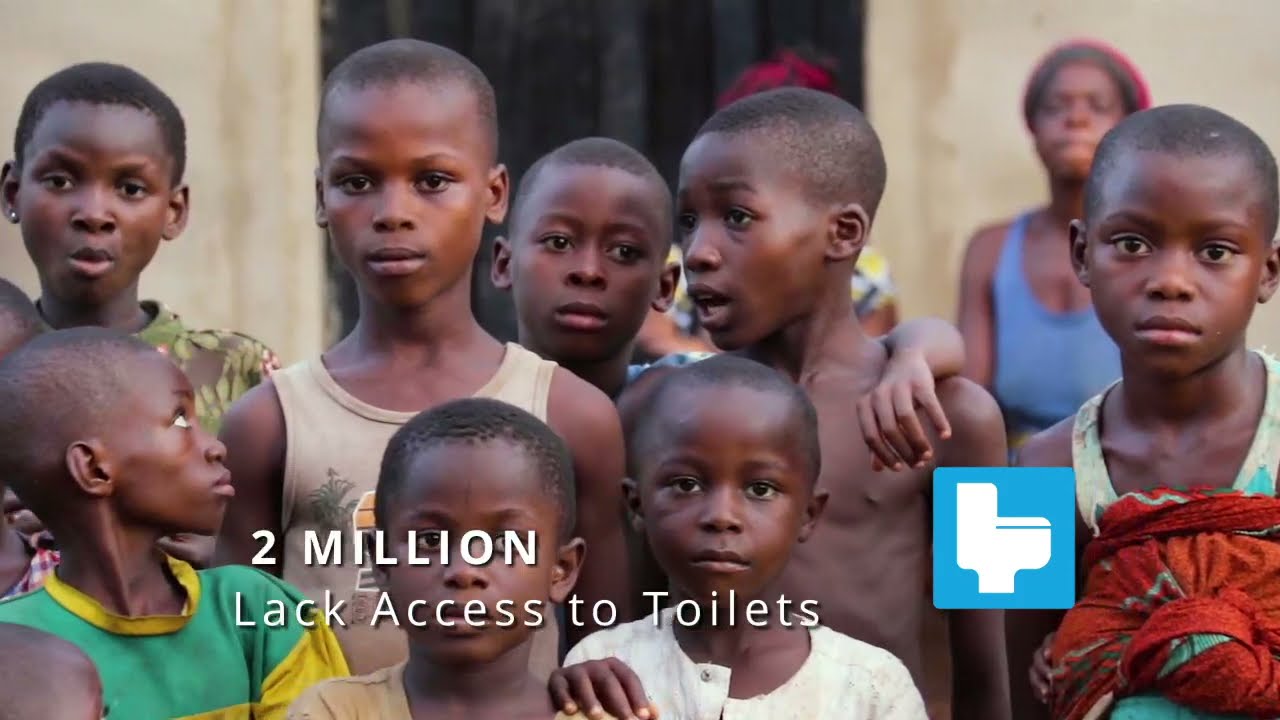
SATAF is a nonprofit foundation dedicated to sustainable development across Sub-Saharan Africa. We work at the intersection of AI & technology, clean water, public health, and education to create lasting change in underserved communities.
We empower communities by providing permanent, sustainable access to clean water, improving health, fostering economic growth, and enhancing quality of life for generations to come — through innovation, partnerships, and deep community engagement.
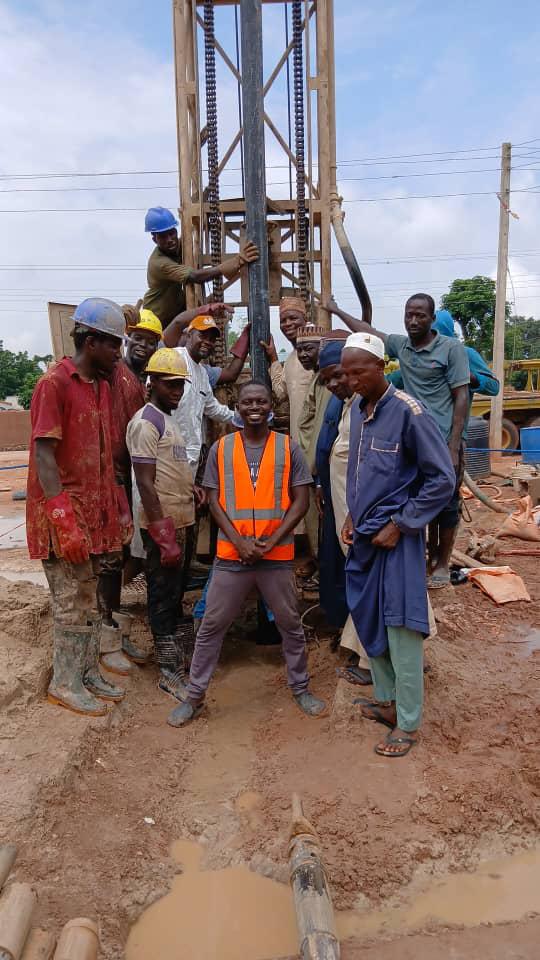
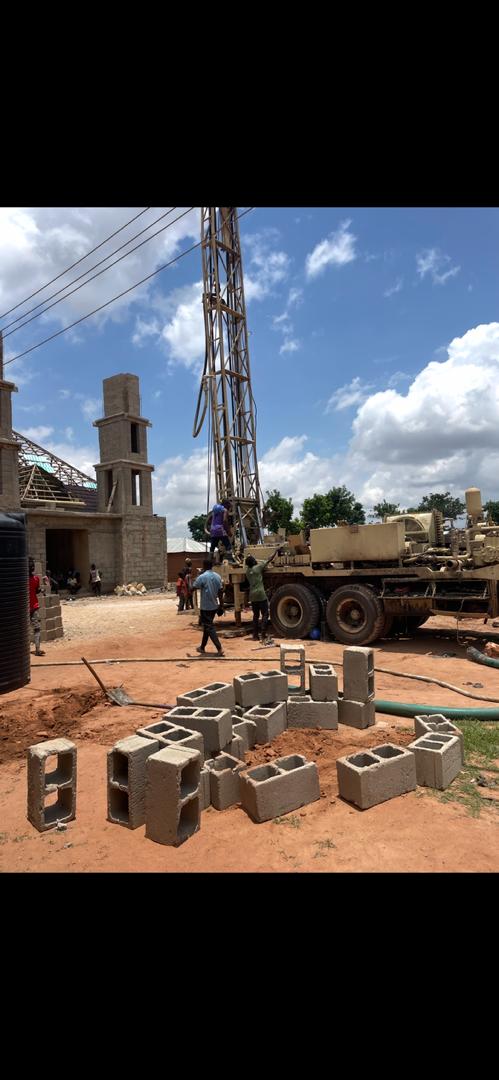
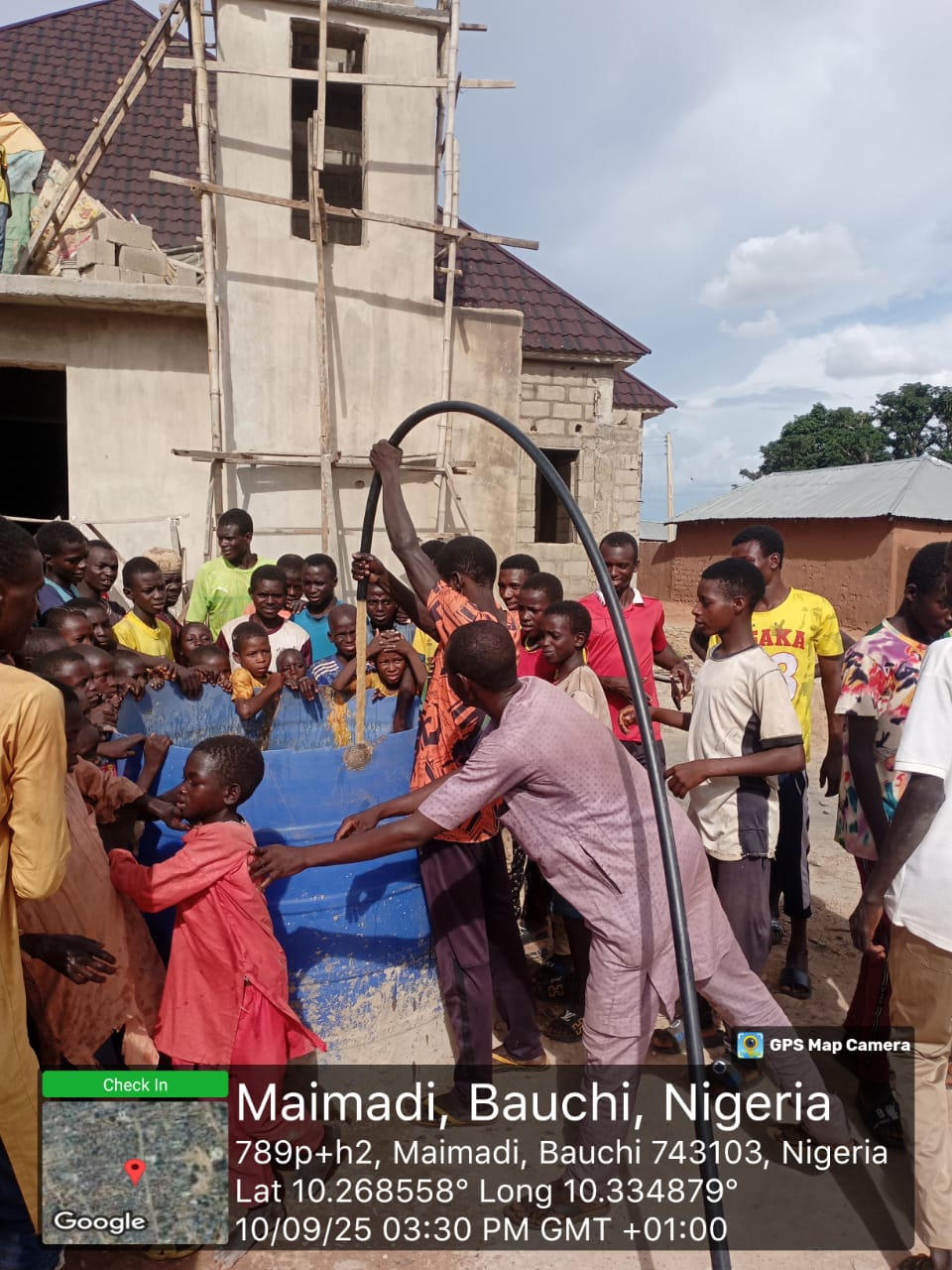
The Jangwa community in northern Nigeria had no reliable access to clean water for decades. Women and children walked miles daily, exposing themselves to waterborne diseases and losing hours that could be spent on education and economic activity.
In Bantu Village, contaminated water sources were the leading cause of child mortality. SATAF partnered with local government to install a water filtration system and deliver comprehensive hygiene education to over 800 families.
Community Story: Jangwa Water Project
Community Story: Bantu Village Health Program
Thanks to their efforts, my family no longer has to walk miles to fetch water. We now have time to focus on school and building a better future.
SATAF brought clean water to our village for the first time in decades. The impact is beyond words — children are healthier and the community is thriving.
They didn’t just install a water system; they taught us how to maintain it. Their commitment to sustainable change is remarkable.
Teaching communities to operate, maintain, and sustainably manage water infrastructure without external dependence.
Training frontline health workers on disease prevention, maternal health, and AI-assisted health navigation tools.
Equipping youth and professionals with AI, data analysis, and software development skills relevant to African development challenges.
A 6-month, project-based programme embedding mobile developers, AI engineers, data scientists, and designers into AfyaConnect AI — a live health platform being built for northern Nigeria. Fellows own real modules on a system targeting 3.5 million citizens.